Born in 1976 in the Hyogo Prefecture, Jin Kuramoto’s design sensibility was first shaped by the rural landscape of a small Japanese island. This early exposure to a world where objects were often handmade or repurposed instilled in him a deep- seated respect for the «honesty» of materials. After graduating from the Kanazawa College of Art in 1999, Kuramoto took an unconventional path for a future furniture designer, spending nearly a decade (2000–2008) as an in-house designer for the Japanese technology giant NEC.
During these years, he mastered the rigors of mass production and the complex ergonomics of consumer electronics. However, this period of high-tech precision also sparked a desire to return to the tactile, physical roots of creation. In 2008, he established Jin Kuramoto Studio in Tokyo, a space that functions less like a traditional design office and more like a laboratory for physical experimentation. Kuramoto famously rejects the idea that a design can be finalized on a computer screen.
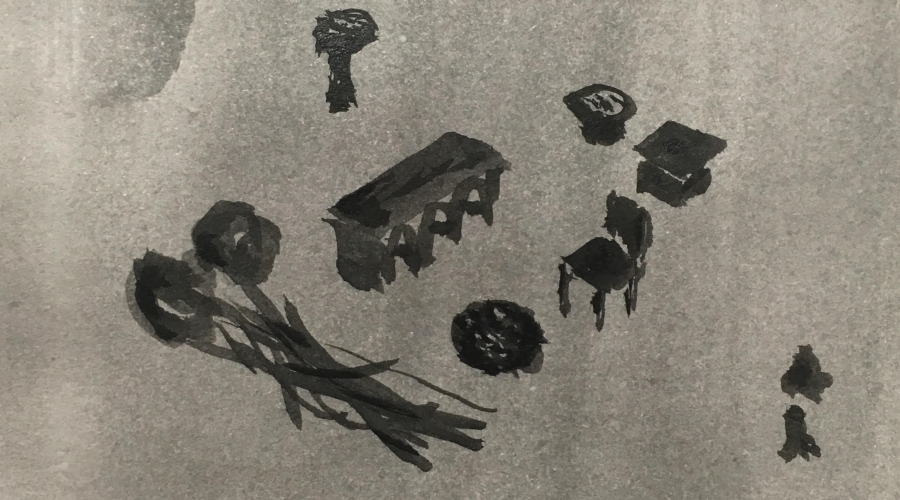
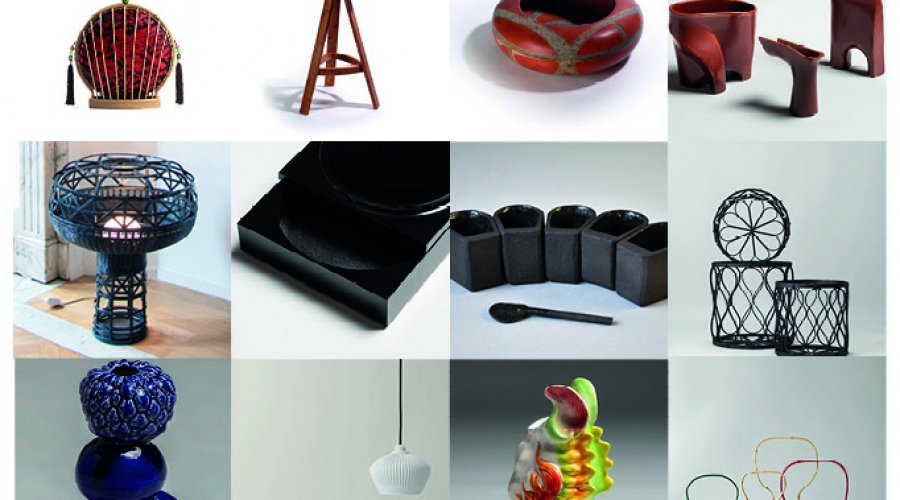
His process is defined by «Thinking with the Hands», a methodology where he physically manipulates raw materials to discover their inherent properties. By bending wood, weaving wire, or folding paper, he searches for what he calls positive accidents : structural solutions or aesthetic forms that emerge only through the physical struggle between the maker and the medium. This approach has led to iconic collaborations with global brands such as HAY (Denmark), Offecct (Sweden), and Arflex Japan, where his work—such as the 100% biological flax fiber «Jin Chair», pushes the boundaries of sustainable industrialism.
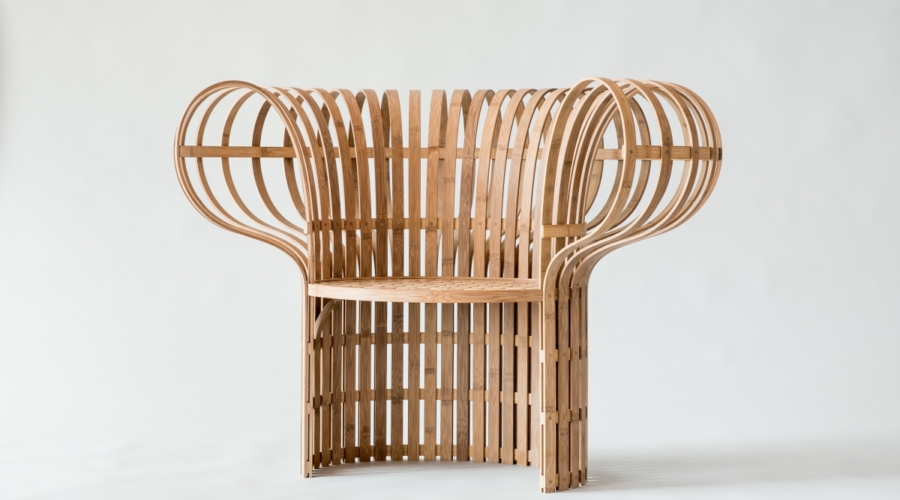
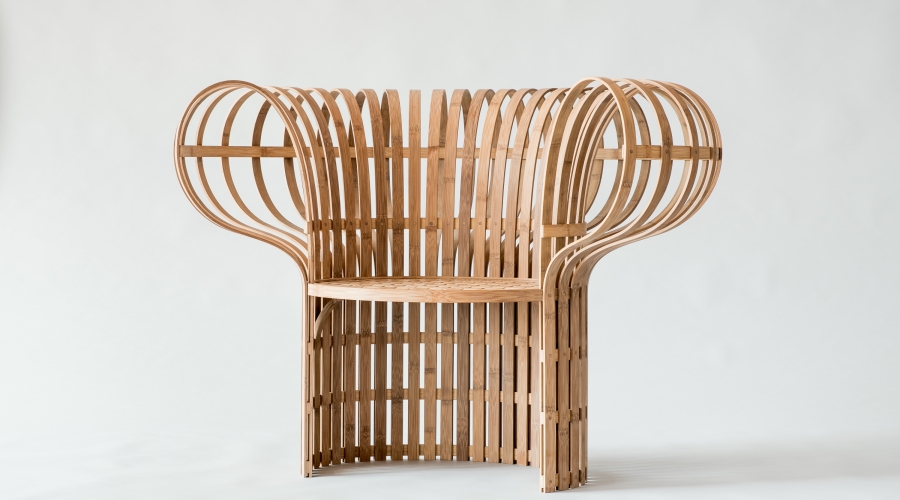
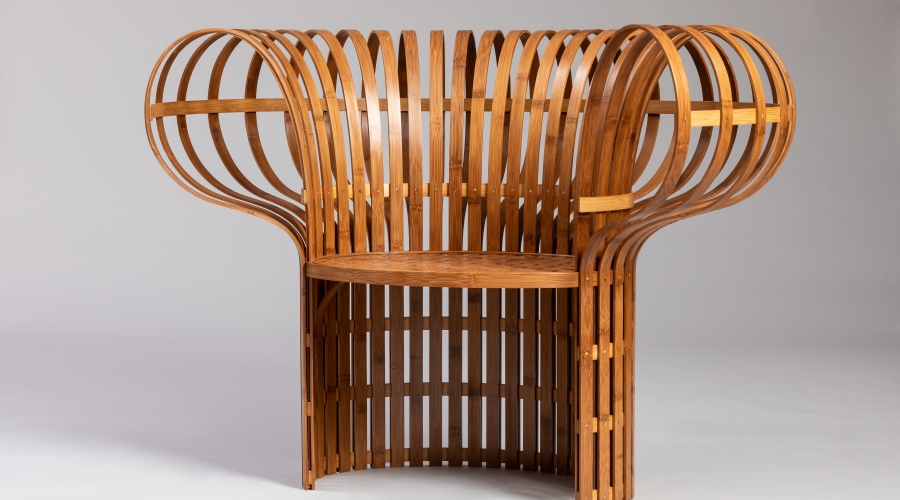
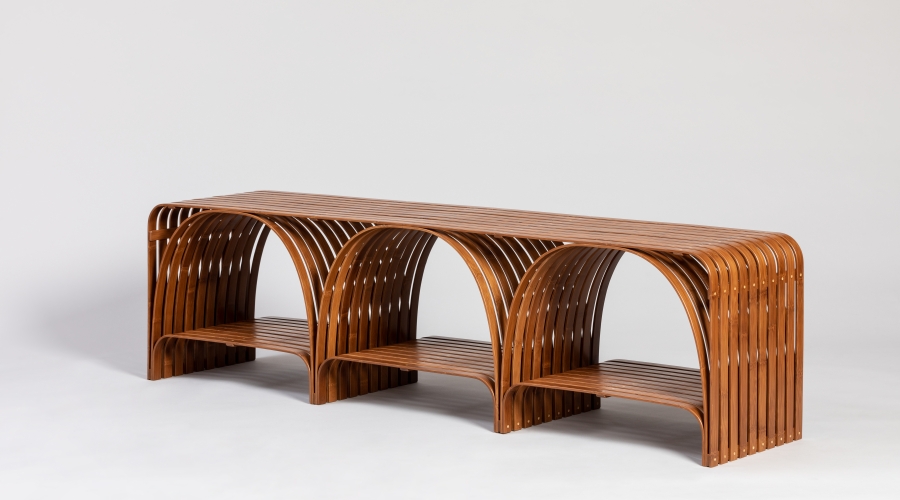
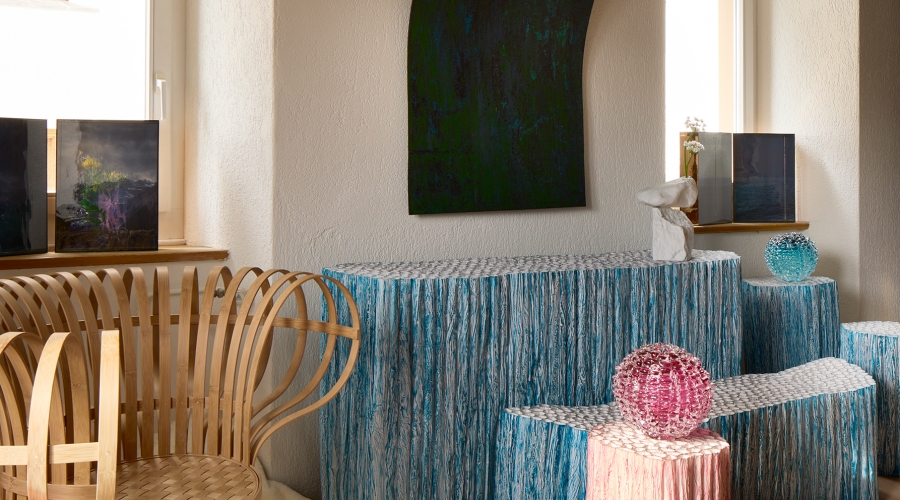
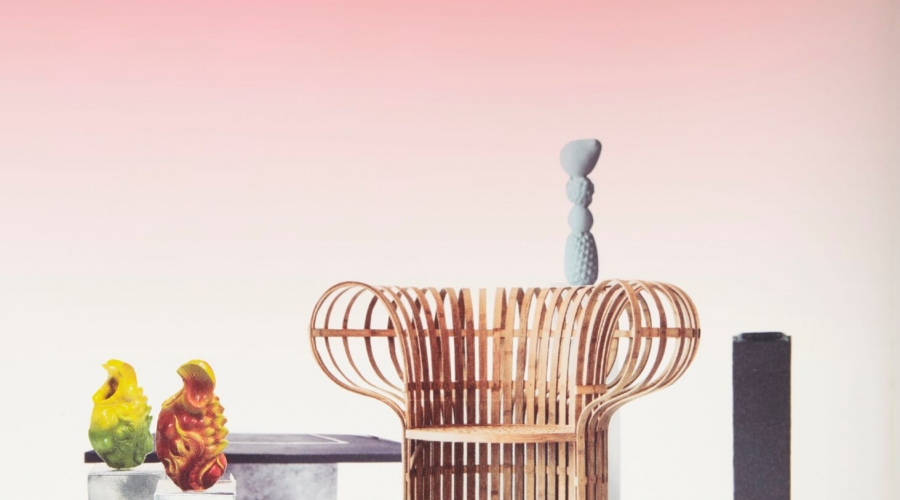
In 2016 Kuramoto embarked on a profound cultural exchange with the project A New Layer Taiwan, curated by Lise Coirier, that bridged contemporary design with ancestral Taiwanese craftsmanship. Rather than sending digital blueprints, Kuramoto traveled to Taiwan to work alongside master craftsman Jian Cheng Lin. This partnership focused on the radical reinterpretation of Bamboo Bending and Natural Indigo Dyeing. Kuramoto pushed the limits of bamboo, a rigid, traditional material, by using exceptionally long strips to create fluid, continuous structural lines that mimic the tension of rope. In a bold aesthetic move, he applied natural indigo dyeing, traditionally a textile art, directly onto the bamboo. This technique gave the furniture a deep, organic blue patina that highlights the natural texture of the wood, transforming functional objects into sculptural, collectible art.
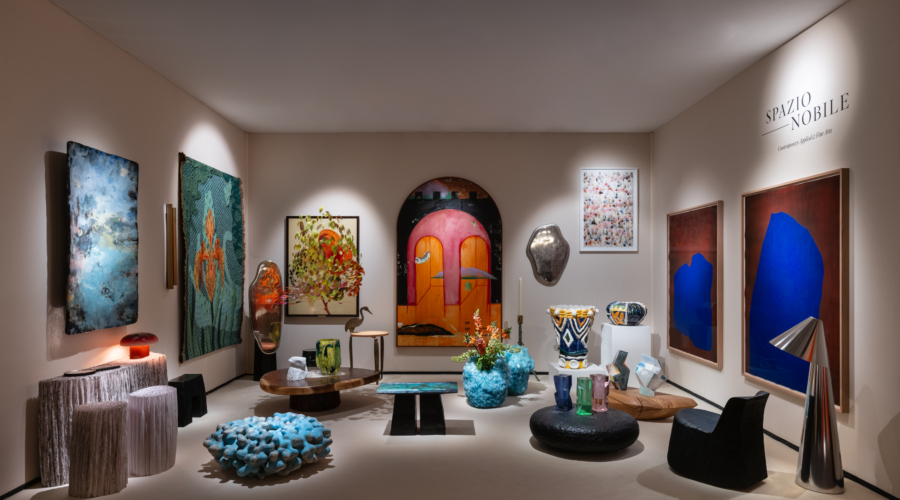
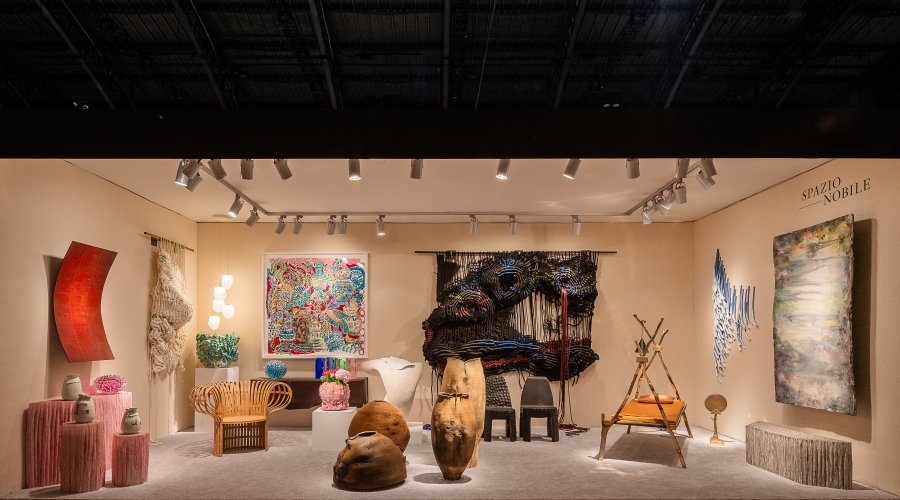
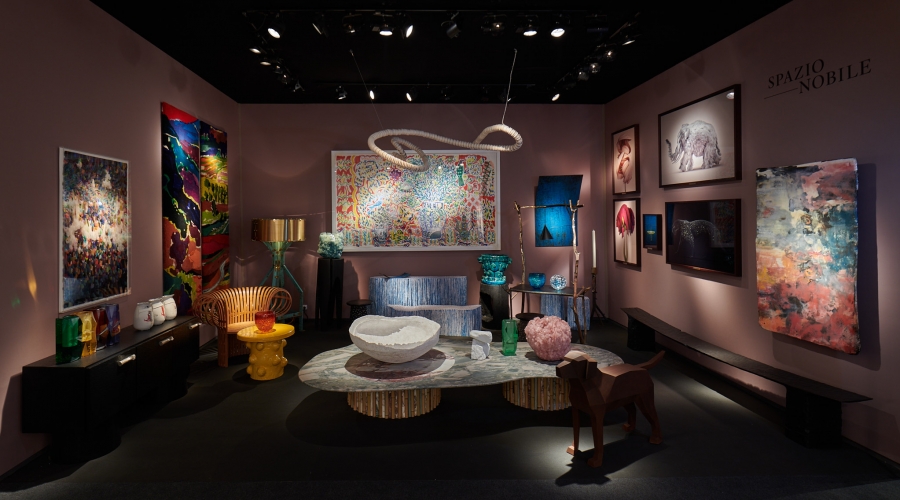
Represented by Spazio Nobile since 2016, these pieces have been showcased at prestigious international platforms like Design Miami/Basel and NOMAD, cementing Kuramoto’s status as a bridge between Asian heritage and Western contemporary collectible art and design.